• Skip to secondary menu
  • Skip to main content
  • Skip to primary sidebar
  • Skip to footer
  • The Pressure Canning Cookbook
  • Blog
    • Subscribe
    • Welcome!
  • Perfectly Preserved Podcast
  • About
    • ADW Manifesto
    • Work With Me
      • Read
  • Shop
    • My Account
    • Cart
    • Checkout

The Domestic Wildflower

Handmade Food & Craft Tutorials for Beginners

  • Courses
    • Free Canning Basics
    • Everything Canning Course
    • Steam Canning Workshop
    • Free Homemade Cocktail Mixers
    • Wildflower Mixology
    • Crochet Basket Workshop
  • Can & Preserve
    • Never Canned?
    • Steam Canner Equipment Bundle
    • Shrubs Course
  • Sew
  • Cook
  • Craft
    • Crochet Step-by-Step Guides
      • Crochet Basket
      • Giant Yarn Throw
      • Thick & Thin Throw
  • Living
    • Creativity Challenge
    • Clean
    • Kids
  • Rentals

Can

Why You Should Start Canning

April 8, 2016 by Jenny Gomes 11 Comments

Why You Should Start Canning

Is canning on your list of new skills to learn in 2016? If you are interested in this old-fashioned but yet totally modern way to cook for yourself and your loved ones, you and I are new best friends. I love sharing canning with others because it is nowhere near as difficult as most people think and most importantly; girls gotta eat. You need to feed at least yourself (if not many others) three times a day, every day, and doing a good job of that can improve your life immeasurably and canning is one awesome avenue to that improvement. I love lots of other hobbies like sewing and crafting but I have to feed myself and my family and canning have made that better, easier, and more satisfying. I don’t need to sew daily but I definitely need daily nourishment. Canning allows that need to be met in a wholesome and connected way.

This post may contain affiliate links. All opinions remain my own.

I’ll confess a character flaw to you Dear Readers. I don’t give my jars of home canned goodness away to just anyone. It is a lot of work (sweaty, sometimes messy work) to preserve produce and I don’t give a jar away to someone if I think they won’t appreciate it. I gave my beloved little brother only one jar of pasta sauce in his stocking this year because I’m not convinced he’ll actually cook it up and eat it. If I give you a jar of jam, I really like you a lot and you have convinced me that you will not only eat it but love it. If a student gives me a canned or homemade item around the holidays, I’m thrilled beyond words (you knew that I had a day job as a teacher, right?). Not to get all late 90’s, but it should come as no surprise to you that my love language is Acts of Service and to me, canning is an act of service.


Canning is a way of cooking that allows your effort to be shared beyond the mealtime. One of the best parts of teaching people how to can is to hear about to whom they plan on gifting their jars of jam and salsa. One of my goals for this year is to learn much more about canning and then share what I learn with you here.

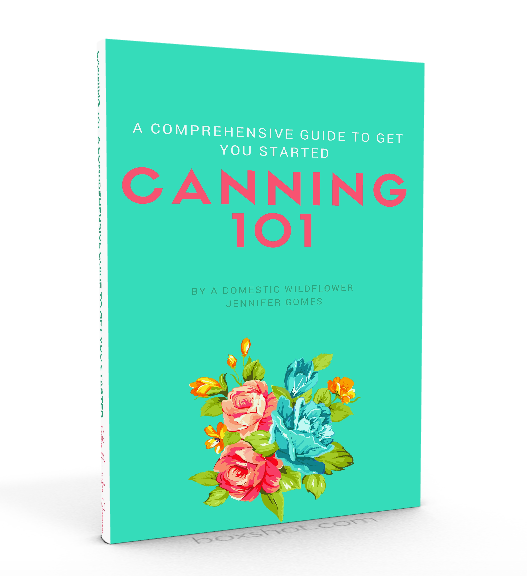
To start this new year and to help those of you Wildflowers out there who are total newbies to canning: I created an ebook just for you.

I wrote this super handy, only 30-pages long ebook, and you can grab yours here.
CLICK TO GET THE EBOOK!

Canning 101 ebook | A Domestic Wildflower click to get your super helpful beginner's guide to canning!

[Read more…] about Why You Should Start Canning

Filed Under: Can

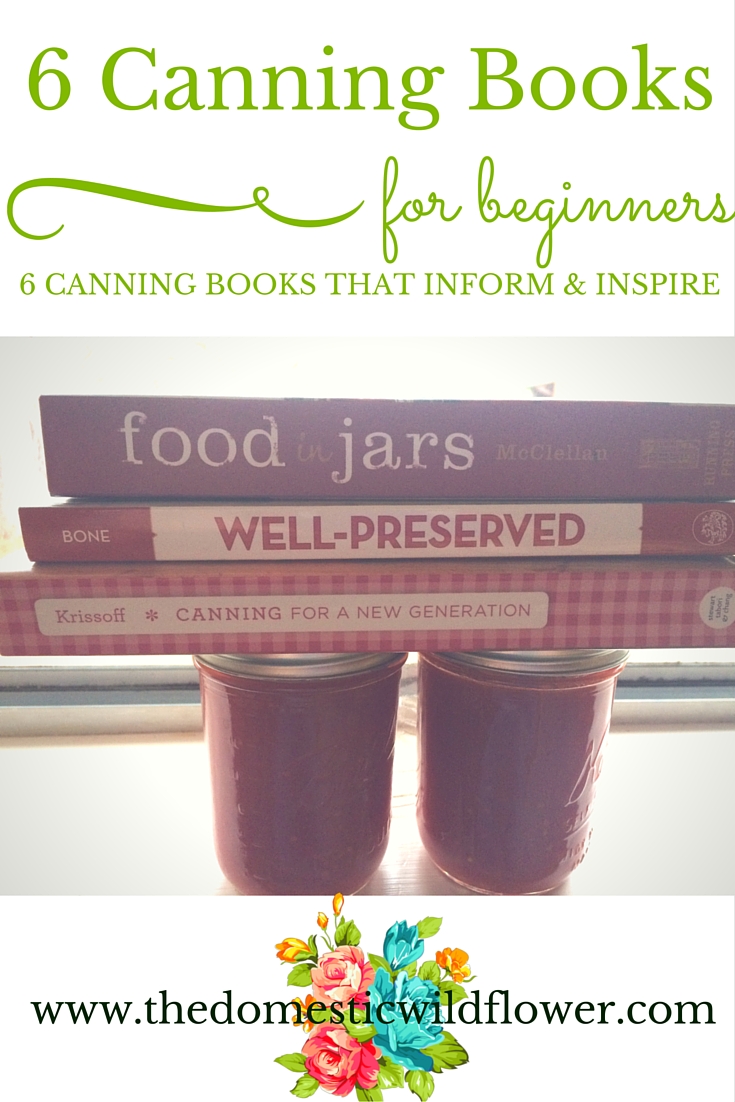
6 Canning Cookbooks for Beginners

February 24, 2016 by Jenny Gomes Leave a Comment

6 Canning Books for Beginners | A Domestic Wildflower click to read this list of canning books perfect for a newbie canner suggested by an experienced canner herself!

Having an inspiring, clear resource for canning as a beginner is of paramount importance. Easy to follow and successful recipes with clear photographs and directions make the process of canning fruitful, fun, and entirely satisfying. While I certainly hope that you’ll find this blog to be your go-to resource for a beginning canner, I could never hope to be the be-all and end-all in that department; there’s room for many cookbooks on your proverbial shelf. This post shares the books I and others I know have found to be invaluable in hopes you can add them to your wish list too.

This post may contain affiliate links. All opinions remain my own. 

If the idea of canning is completely new to you, and you are not even ready to commit to a tangible cookbook yet, and aren’t even sure if you can can, I wrote a little ebook just for you. Canning 101 is meant for a brand new beginner. When I got started I felt overwhelmed and uncertain about what I needed, if I could even do it all, what all the boiling was about, and if I would make myself sick in the process. With lots of nervous practice over several seasons, pouring over several now sticky-paged texts (listed below!) while stirring (and scorching!), I got pretty darn good and totally comfortable canning. That awful feeling of uncertainty made a big impact on me and when I started helping friends and now my Dear Readers learn how to can, I decided to write down everything a person needed to know just to get started into an ebook. This ebook has 30 easy to read pages and includes 4 beginner friendly recipes, an equipment checklist, my Acid & Canning Guide, and explains the whole process of water bath canning so you can begin with confidence. Grab it here!

CLICK TO GET THE EBOOK!

Canning 101 ebook by The Domestic Wildflower | Click to grab this super helpful beginner's guide to getting started canning!

CLICK TO GET THE EBOOK!

If you are a beginner and don’t want a giant, shelf hogging resource, the 200 page, 500 recipe Ball Blue Book (no, it isn’t blue) Guide to Preserving is an excellent choice. It has a very clear introductory chapter (all good canning books do) and many recipes that are beyond boring. Think Sweet Cherry- Loganberry Jam and Mango Relish. Um, yes please.

[Read more…] about 6 Canning Cookbooks for Beginners

Filed Under: Can, Most Popular

Canning 101: Myths Busted!

December 21, 2015 by Jenny Gomes Leave a Comment


Canning 101: Myths Busted!

Canning Myths Busted: Canning is Safe

One of the biggest reasons that only about 20% of the population in the US cans (puts food into jars) is concerns over safety. In this post, I aim to explain why if you follow the rules (the way you might observe the speed limit and wear a seat belt) canning is absolutely safe.

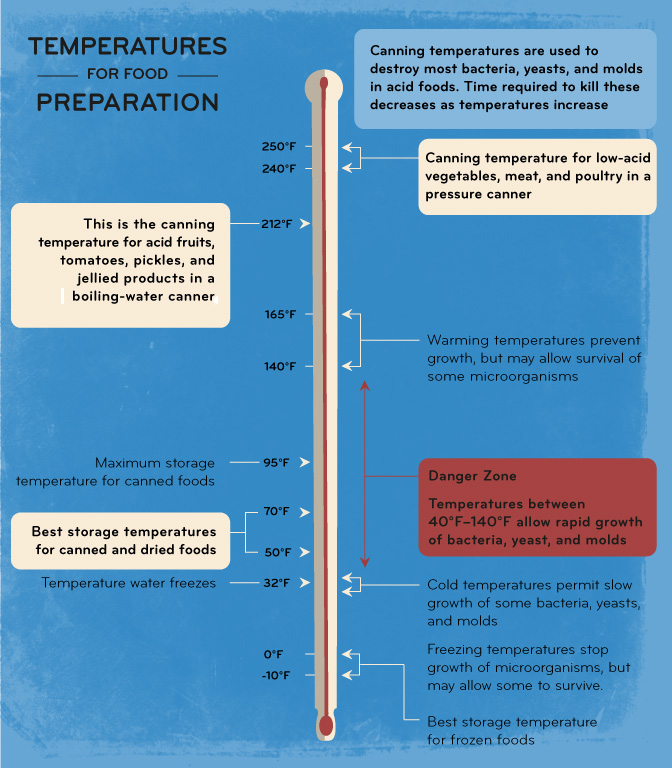
One way you can feel assured when you start canning as a beginner is by knowing about temperature and its role in killing the bugs that might make us sick. Note a few important temperatures in the infographic below:

212 degrees F is the temperature at which high acid foods like many fruits (discussed at length in my post here) are safely canned in a water bath (boiling water + jars full of hot, delicious food). This temperature is where bacteria, yeast, and molds cannot live inside the jars of food.

24-250 degrees F is where low acid foods (think lots of veggies and meats as mentioned here) are canned in a pressure canner (this is a big pot that has a lid that locks on and a pressure gauge- I haven’t written a post about these bad boys yet but I will soon:) safely and where all spoilers are killed that may be lurking inside the jars.


Canning Confidential - Temperatures for Food Preparation

Source: Fix.com

Adjusting for altitude: This is not as scary as it sounds. For every 1000 feet that you live (and thus are canning) above sea level, add 5 minutes to the processing time (the time the jars filled with food are in the boiling water bath). That means that if you live at 4000 feet above sea level, you will add 20 minutes to the processing time. It would likely behoove any high altitude canner to check with their local cooperative extension for specific recommendations.

The other element that a canner should consider is acid. If the last time you thought about acid it was in science class and you were holding a piece of litmus paper and a hypothesis worksheet, never fear: You simply have to follow a recipe from a trusted source. That’s all you have to do. You don’t have to understand the concept at all: You just need to follow a recipe from a good canning book published sort of recently- say, in the last 10 years. Here are a few that I love and recommend:


That’s not to say the recipes in Grandma’s book are all wrong. It just means you might check it against a very similar recipe that is more current. And this is the very reason I shared this post about acid & canning; Once you get started canning, it isn’t long before you are planning the next batch of preserves and shortly thereafter you might start dabbling in recipe substitution. Refer to this handy PDF I created, just for my Dear Readers, to know if it is safe to swap out lemon juice for lime, (yep!) or figs for strawberries (nope!).


If all this is still a little hazy and seems too reminiscent of the witches in Macbeth chanting, “bubble, bubble, toil, and trouble” then head here: http://nchfp.uga.edu The National Center for Home Food Preservation is THE resource for those who want to learn more before taking the canning plunge.

Okay, Wildflowers~ I need your help. I want to hear from you and to encourage you to give me a little feedback, I have partnered with Mason Jar Lifestyle, an awesome company that sells all kinds of a functional and fashionable Mason jar and canning goodies. I wrote a guest blog post for them here and because they are so bad, they shared some goodies with me and my readers. You should check them out- you will thank me later 🙂


Related Posts:
Acid & Canning Guide
Keeping Track of Canning: Canning Log


Filed Under: Can

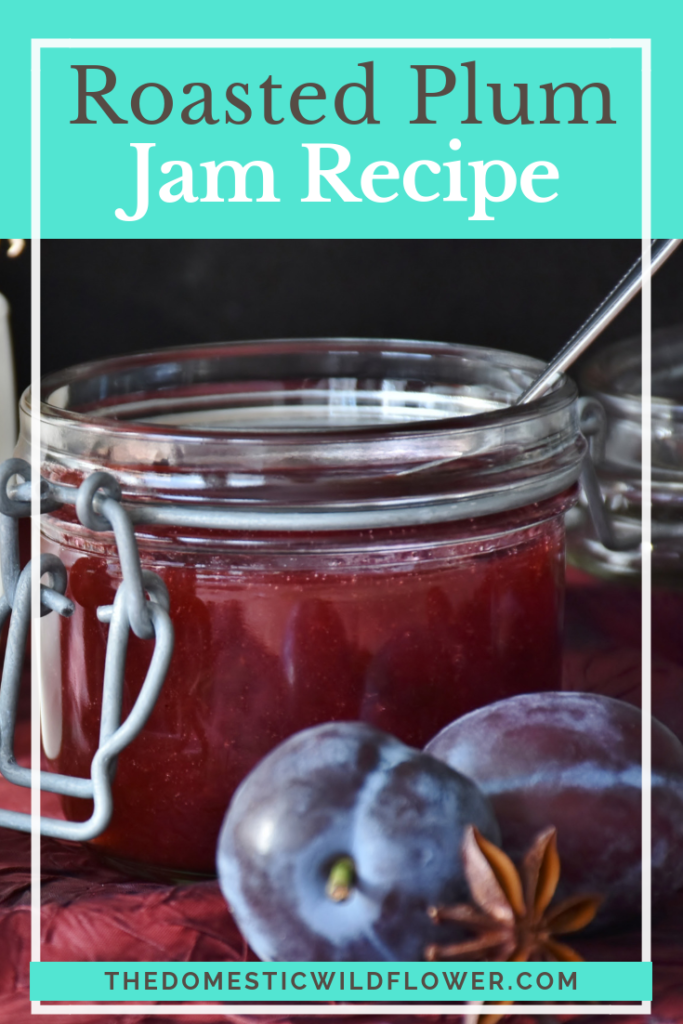
Roasted Plum Jam

October 12, 2015 by Jenny Gomes Leave a Comment


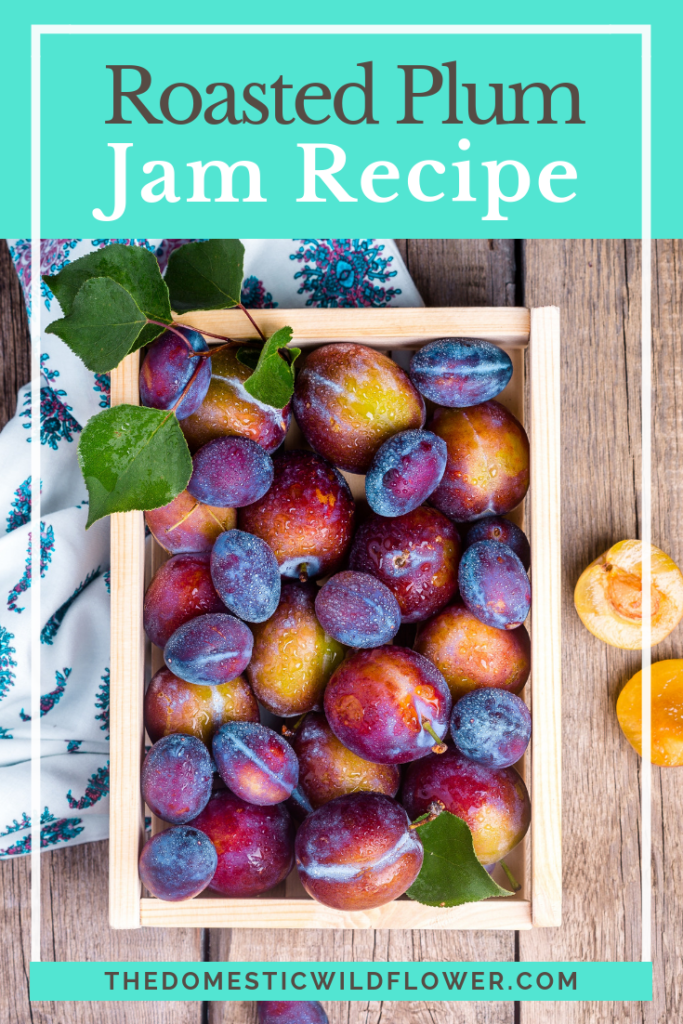
Plum Jam is an easy recipe that is elevated in a wonderful way by roasting the plums. Beginners can easily succeed with this canning recipe and the roasting plums make your home smell heavenly.

The last time I saw my dear Grandpa Carlos we visited him in his shady lawn in Willows, CA. His plum trees were loaded with pretty, golden fruit and my mom and I kicked ourselves for not arriving with proper buckets for fruit collection. Grandpa watched us pick his plums, filling grocery sacks full, and talking about canning jam. I normally blog about projects that are happening now but I wasn’t blogging when I made this particular recipe, with these delicious and now penultimately special plums. Fall is in the air now, plums are ripening, and hunting season always makes me think of Grandpa too. I came home from Willows that fall, pregnant with my son, and roasted his plums with my little girl on a chair beside me into the best preserve I may ever make and now I’m too sentimental to open the remaining jars and eat it up.

This post may contain affiliate links. All opinions are my own.

I can’t find the recipe or pin I referred to that suggested I roast the plums so I can’t give proper credit. I know my instructions that will follow are based very closely on the recipe for Plum Jam in my favorite canning book, Canning for a New Generation. Buy it if you want a wonderfully diverse and entirely inspiring text. You won’t be sorry.

Recipe for Roasted Plum Jam

4 pounds plums, pitted and diced

2 cups of sugar

3 tablespoons lemon juice

1 tablespoon spice- Canning for a New Generation suggests cardamom but I used cinnamon, clove, and nutmeg and it was divine.

Place the diced plums in a wide, oven-safe pan and fill with just enough water to almost cover. Roast at 400 degrees, stirring often until the fruit is very fragrant, the water is mostly cooked away, and the fruit is broken down. This is the part that makes your house smell heavenly. I can’t say I have had another cooking experience like this one and I hope you find it as wonderful as I did.

When the fruit is cooled a bit, ladle into a food mill and process to remove skins. Alternatively, press through a sieve. I have read that you could process in a blender but I have never done it that way though I bet it would work. Here’s the food mill I recommend.

Add the lemon juice, sugar, and spice to the plums in a wide preserving pan. Simmer, stirring often, for about 20 minutes or until it is thickened significantly. Ladle the hot jam into hot, sterilized jars following safe canning practice outlined in the USDA site here or in the introduction of any good canning book. Leave ¼ inch headspace, add lids and rings, and process in a water bath for 5 minutes to process. Remove to a towel on a countertop and leave undisturbed for 12 hours. Label and store.

My Grandpa Carlos was the kind of guy who encouraged those around him to live it up, which is something I’ve always wrestled with. He’d say, yeah, drink another beer, play another game, stay another hour! I may have to cowgirl up and open one of the jars of jam just for him. He’d never want something good to go to waste.

Share your thoughts in the comment section below, Wildflowers! Have you ever roasted fruit to a similar end? I’m eager to try another recipe so please share if you have!

If you loved this post, read the same recipe + more of the love & life lesson here on Enlightenment is Sexy

[Read more…] about Roasted Plum Jam

Filed Under: Can

Canning Concord Grape Jam

October 8, 2015 by Jenny Gomes 2 Comments

 ​

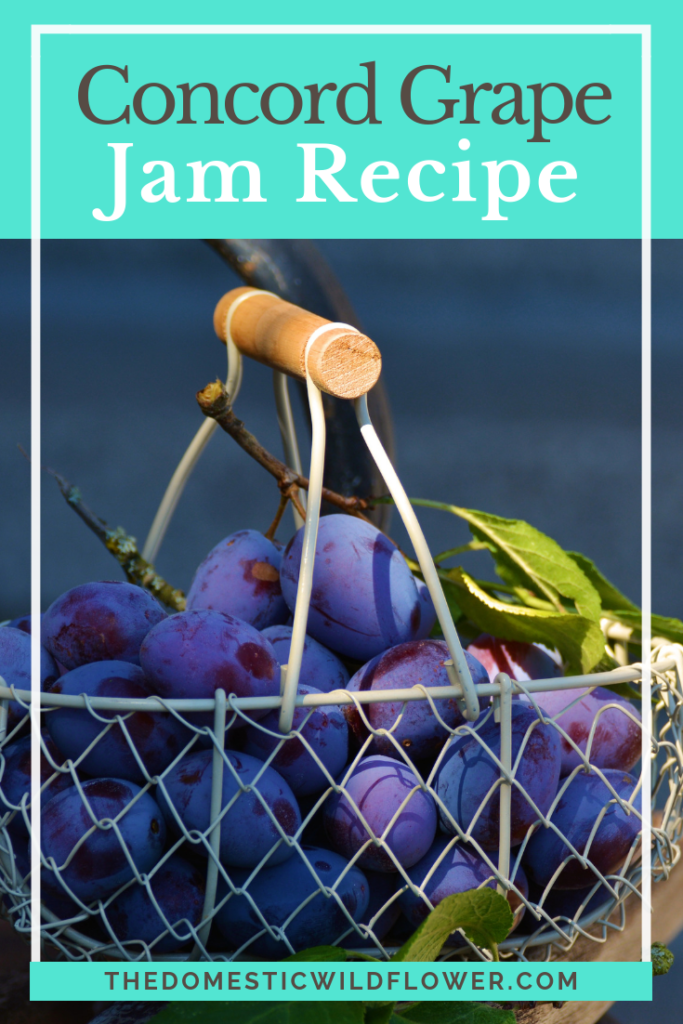
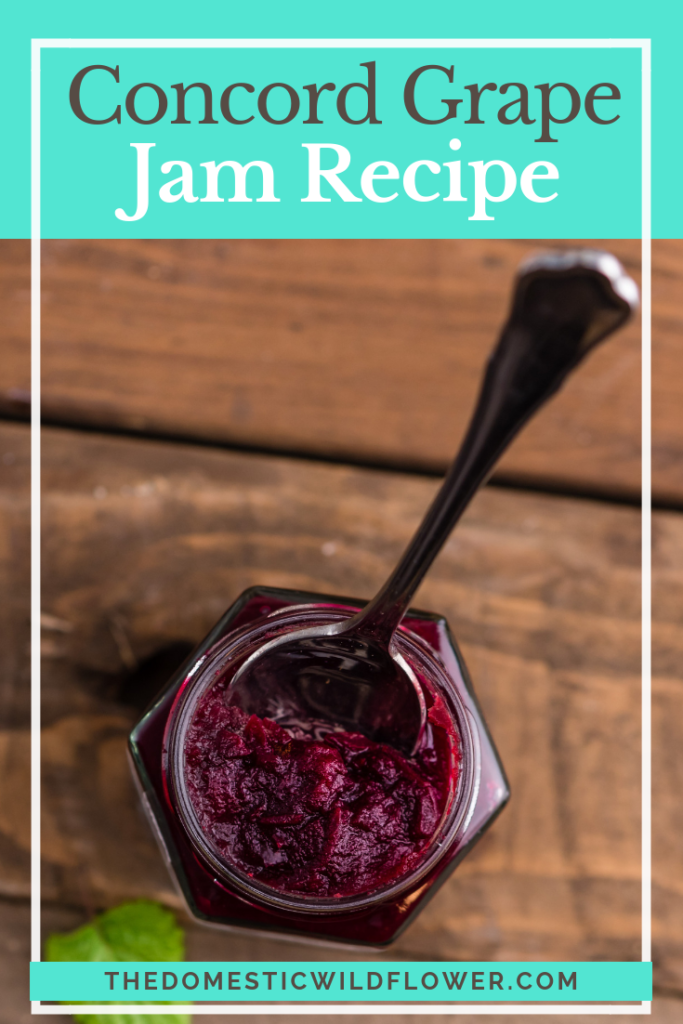
Canning grape jam is a fairly simple task because the recipe is straightforward and brief, grapes are not difficult to collect (no thorns like blackberries) and are sweet enough that they don’t require a lot of extra sugar. While we most often see the clear jelly in stores, the grape jam is delicious and seems to be a bit more virtuous in my mind because more of the actual grape remains in the pot.

The recipe I use is from the wonderful compendium, Canning for a New Generation (I swear, I have never met the author nor is this a sponsored post; I just love this book!

This post may contain affiliate links. All opinions are my own.

I picked my grapes from the vines my Great Grandma Nona planted on our ranch many years ago. They face the south and every year, during the first month of school, I get to admire her industry and pick.

The recipe from Canning for a New Generation is as follows:

4 lbs Concord grapes

2 cups of sugar

3 tablespoons lemon juice

1 teaspoon ground cinnamon

¼ teaspoon ground cloves

I have made this jam with and without the spices and I can’t decide which I like better. If you haven’t tried it spiced, it is very good indeed. Imagine a dollop on hot oatmeal…

The recipe directs the preserver to bring the grapes to a boil and then press through a sieve as a means of skinning and seeding the grapes. I happen to have a food mill which I love, and I ran my grapes through it first with very good results. Here’s the one I have and love, gifted to me by a wonderful friend.

I have been sharing my canning and sewing adventures on Periscope and then saving the videos to my YouTube channel. Here’s my scope demonstrating how easy it is to use the food mill to process your grapes.

After you have either processed the grapes through a food mill or through a sieve, discard the skins and seeds.

Add the remaining ingredients to the grape pulp (about the consistency of a thin smoothie) and bring to a boil. It took my batch 30 minutes to thicken significantly.

Note: I have found that the time it takes for my jam to “set up” (thicken enough so that a dab of the jam dropped onto a cool plate and set in the freezer for 15 minutes is firm- basically when the jam is thick enough to be jam, not syrup) is significantly longer than many recipes indicate. I think that one possible culprit is the product I use is often homegrown or wild (my nose isn’t in the air here; it is the truth only as a matter of practicality) and thus the water content is inconsistent with the more standardized grocery store produce. That said, don’t be afraid to cook your jam a bit longer to achieve a thicker result. Thin jam that is a bit too thick for syrup is still tasty but tricky to pour/spoon and thus use up.

Tip: I have also used half a box of powdered pectin in this recipe, whisked in at the end, following the directions on the box, to good effect. If your jam is still fairly thin, you might try powdered pectin.

Ladle hot jam into hot jars, leaving half an inch headspace, and following safe canning practice outlined in this great resource from the USDA here or in the opening chapters of any good canning book.

Put the lids and rings on the jars and return to the water bath. Bring to a boil and process for 5 minutes. Remove the jars from the water bath onto a towel on a countertop and leave undisturbed for 12 hours. Label and store.

I love sharing canning recipes like these because many people are surprised to learn that canning is much more simple than they realize. I very rarely can anything that has a long ingredient list or a lengthy list of steps. Jams are a great beginner preserve because they are so high in acid, as described in my Acid & Canning Guidepost, a canner can feel totally confident that they will be successful and safe.

I did a couple of Periscope broadcasts while I made my last batch and saved them to my YouTube Channel.
Here’s how the jam looks when it is ready for the hot jars.

Related Posts:

Acid & Canning: pH Guide of Various Foods

Keeping Track of Canning: Canning Log

Canning Tomato Sauce

What is your favorite jam recipe, Wildflowers? I’m always looking for new ones; please share in the comment section below!

Filed Under: Can

  • « Go to Previous Page
  • Page 1
  • Interim pages omitted …
  • Page 18
  • Page 19
  • Page 20
  • Page 21
  • Go to Next Page »

Primary Sidebar

Categories

Follow me here, there, & everywhere!

  • Email
  • Facebook
  • Instagram
  • Pinterest
  • RSS
  • Twitter
  • YouTube

Search

Get The Pressure Canning Cookbook

Get 10 Free Recipes Now!

Best Chicken Coop

Footer

Get Started Pressure Canning

Shrubology Ebook

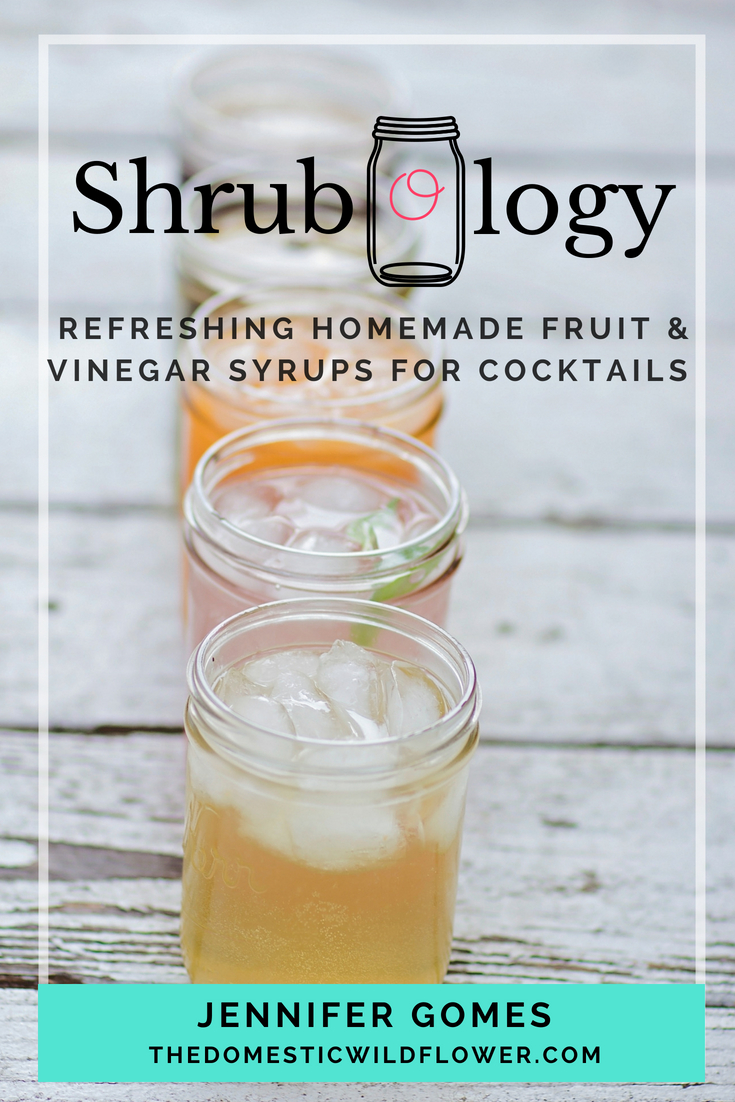
Shrubology: Refreshing Homemade Fruit and Vinegar Syrups for Cocktails
Make easy, no-cook fruit & vinegar syrups for cocktails & mocktails! This ebook shares crowd pleasing recipes and simple to understand ratios so you can make a shrub on your countertop any time- without a recipe. Dive into these Prohibition Era drinks today!

Copyright

Copyright 2019
The Domestic Wildflower
www.thedomesticwildflower.com.
All content created by Jennifer Gomes unless otherwise noted.

Copyright © 2025 · Lifestyle Pro on Genesis Framework · WordPress · Log in